Short answer: Car wrap or repaint? A wrap makes more sense if you want a color change that is not permanent and want to keep the original paint intact. A repaint is the better fit when the factory paint is already damaged, peeling, or full of deep scratches. A wrap can be removed and reversed; a repaint is permanent and changes the car's original finish for good.
Key points:
- A wrap sits on top of the original paint and can be removed; a repaint replaces the paint layer permanently.
- For resale value, original paint kept safe under film usually counts for more than a body that has been resprayed.
- The cost of either depends on panel area, body condition, the color or film type, and how complex the job is. There is no single number.
- A repaint is the better choice when the paint is brittle, rusted, or deeply scratched in ways film cannot cover.
- In Indonesia, a full color change must be reported so the vehicle registration (STNK) and ownership book (BPKB) match, whichever method you use.
What actually differs in the final result?
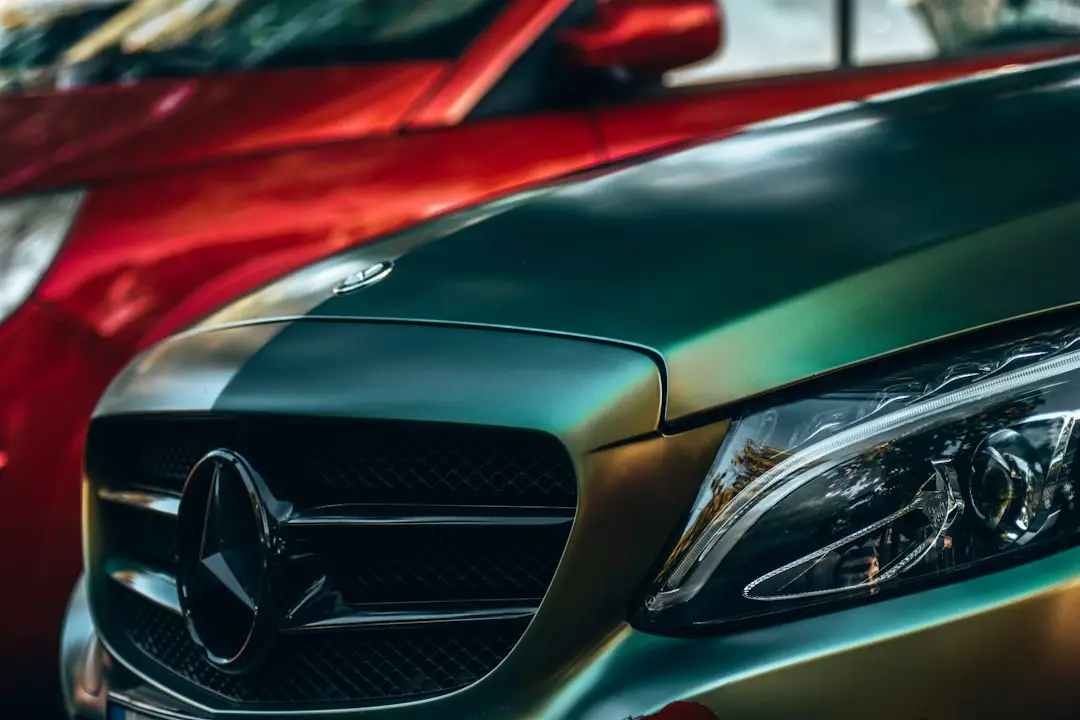
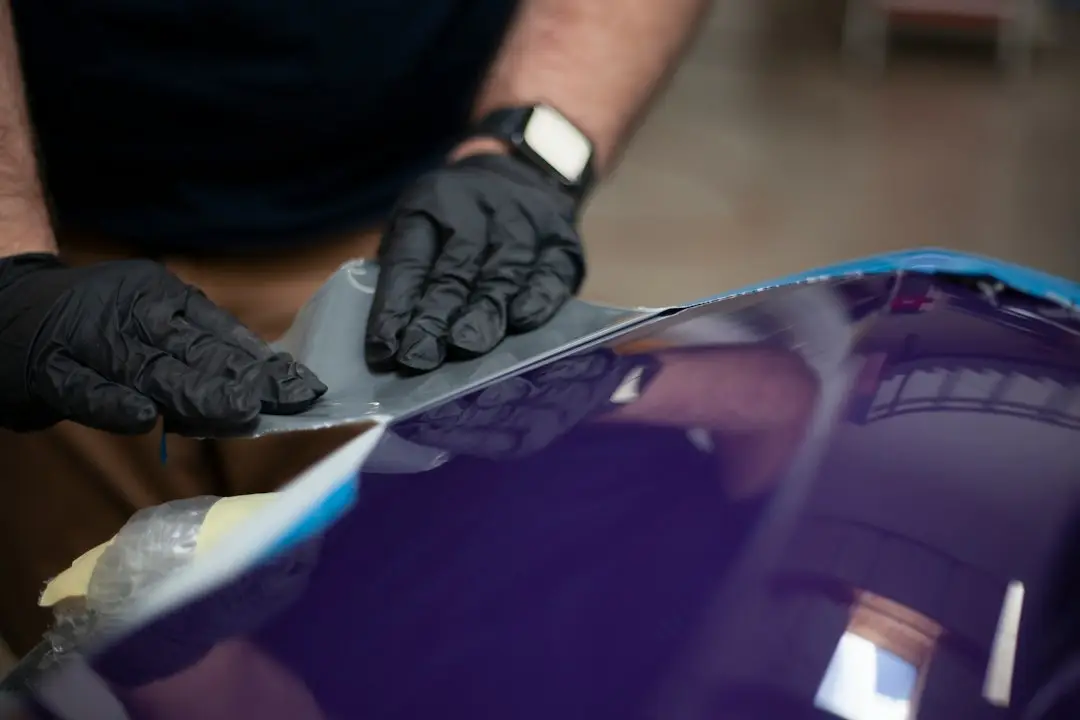
From a distance the two look the same, but they behave differently. A repaint builds the color from wet layers sprayed onto the body, then cured and polished. The result blends into the surface with no edges and feels like factory paint, because it is paint. A wrap works by applying a thin vinyl film over the existing paint.
In terms of looks, a wrap actually gives you more options. You can choose gloss, satin, matte, chrome, or a color flip that changes with the angle of the light. Finishes like matte and satin can be done in paint, but they need special techniques and materials that add cost. For the film we install, we use INOZETEK, both for color-change wraps and for colored dynamic PPF. You can see the range of finishes on the official INOZETEK site.
Another practical difference is at the panel edges. Film that is fitted properly is folded behind the panel, a technique we call tucked in, so no film edge is left hanging. Paint has no edges because it blends in, but in exchange it cannot go back to the original color without painting again.
The effect on the original paint and resale value
This is the point people misunderstand most often. A wrap does not replace the original paint, it protects it. The film shields the surface from UV, dirt, and light everyday scratches. When the film comes off later, the factory paint underneath is generally in the condition it was when it was wrapped, provided the paint was healthy at the time.
A repaint works the other way. Painting often means sanding the original clear coat, sometimes down to the primer, so the new paint can bond. After that, the factory color cannot be brought back. In the used-car market, a body with original paint is usually valued higher than one that has been resprayed, because a respray is often associated with accident damage or repairs.
So for a car you look after for its resale value, a wrap gives you two benefits: the look changes and the original paint stays protected. If you want to go back to the standard color before selling, the film simply comes off. The same logic applies when you weigh up paint protection in general, which we cover separately in our guide to wrap or PPF.
Reversible or not: the clearest difference
Imagine you get bored of the new color after two years. With a wrap, the film comes off, the original paint reappears, and you can choose another color or leave it standard. That reversibility is why many owners pick a wrap to experiment with color without a permanent commitment.
A repaint offers no way back. Once the old color is covered with new paint, the only way to "go back" is to repaint again, with the same cost and risk. Every respray adds layers and moves the body further from its original state.
One honest note about removing film: how easily it comes off depends on the paint condition at installation. Film applied over healthy original paint usually comes off clean. But if the film sits on a low-quality respray or paint that is already brittle, some paint may lift when the film is pulled. That is not the film's fault; the paint underneath was weak from the start.
What drives the cost of each
"Which is cheaper" has no single answer, because both are priced from variables, not fixed rates. Instead of quoting numbers, it is more useful to understand what moves the cost of each method.
| Factor | Wrap | Repaint |
|---|---|---|
| Vehicle size | More panel area, more film | More area, more paint and labor hours |
| Type of finish | Chrome and color flip cost more than plain gloss | Matte or special effects need extra materials |
| Body condition | Deep scratches must be repaired first | Rust or filler needs extra work |
| Complexity | Lots of curves and bumpers add time | Removing panels and masking add time |
| Reversibility | Removable | Permanent |
For a wrap, the main drivers are panel area, the film you choose, and how many curves on the body need covering. For a repaint, the cost follows the surface preparation: whether panels need removing, filler, or rust repair before the paint is sprayed. A proper repaint also needs a dust-free booth and curing time.
Because every car is different, we do not put numbers in this article. The most accurate way is to send photos and your car model so we can assess the panel area and paint condition before giving an estimate. You can start from the First AutoWrap home page to see the services we offer.
When a repaint is actually the better choice
A wrap is not the answer for every situation, and we will say so plainly if your car is one of the exceptions. Film needs a healthy surface to bond to. If the original paint is already damaged, a repaint is often the more technically honest choice.
Some conditions that make a repaint the more sensible option:
- The paint is peeling or brittle. A clear coat that has flaked off from age or sun exposure cannot be covered well by film. The film will follow the damaged texture underneath.
- There is untreated rust or filler. This has to be fixed at the bodywork level, not covered with a vinyl layer.
- Deep scratches down to the primer. Fine scratches can be polished out, but deep gouges that go through the paint need repair and repainting.
- The color is badly patchy. Heavy, uneven oxidation makes the surface a poor base for film.
In cases like these, forcing a wrap means wrapping the problem instead of solving it. Sometimes the right order is to repair and paint the body until it is healthy, then consider film later for protection or a color change.

A full color change? Sort out the registration first
One thing you should not skip, whether you choose a wrap or a repaint: if the car's color changes completely from what is registered, the change must be reported. The rule makes no distinction between changing the color with paint or with stickers or film.
The basis is Indonesia's Law No. 22 of 2009 on Road Traffic and Transport, which requires changes to a vehicle's identity to be reported. You can read the official text in the BPK regulations database. In practice, the color change needs to be recorded so the details in the STNK and BPKB match the car's physical condition. A car whose color does not match its documents can be fined at a roadside check.
Because procedures and administrative fees can change, and the implementing rules have been updated, we suggest checking directly with Samsat or the official Korlantas channels before a full color change. This step matters as much as choosing the method. A neatly fitted film means little if your vehicle documents end up in trouble.
From our workshop
The pattern we see most: owners come in wanting a color change, assuming a wrap and a repaint are equal options, then are surprised when we ask to inspect the paint panel by panel first. Many believe their paint is still healthy, but the inspection turns up an old respray or a clear coat that is starting to turn brittle. The questions that almost always come up are about resale value and whether the film can come off without damaging the paint. Our answer depends on the inspection, not on what anyone hopes. If the paint is healthy, a wrap is usually what we recommend; if it is already damaged, we would rather say honestly that the bodywork has to come first.
Frequently asked questions
Does a wrap damage the original paint?
On healthy original paint, a wrap does not damage it and actually protects it from UV and light scratches. The risk of paint lifting when the film is removed usually comes up when the film was applied over brittle paint or a low-quality respray. That is why we check the paint condition before installation.
Which lasts longer, a wrap or a repaint?
They age differently. A properly done repaint can last a long time because it is permanent, but a deep scratch means painting again. A wrap has a set service life as a film and can be replaced panel by panel. For exact figures, check the film manufacturer's specifications, since it depends on the type and how it is cared for.
Do I still have to report a color change done with a wrap?
Yes. If the color changes completely from what is registered, the change must be reported so the STNK and BPKB match, whether you used paint or film. A car whose color does not match its documents risks a fine. Confirm the current procedure directly with Samsat or Korlantas.
My paint is patchy and peeling. Should I wrap or repaint?
In that condition a repaint is usually the better choice. Film needs a healthy surface to bond to and will follow the damaged texture underneath. Forcing a wrap only hides the problem for a while. Repair and paint the body until it is healthy first, then consider film for a color change or protection.
How much does a wrap cost compared with a repaint?
There is no single number, because both are priced from variables: panel area, body condition, the color or film type, and complexity. The most accurate way is to send photos and your car model so we can assess it first and give an estimate that matches the real condition of the car.